🛠️ Welcome to Tech Behind Tools - Build Smart. Choose Right.


How To Drill Metal Properly (Without Burning Your Drill Bits)

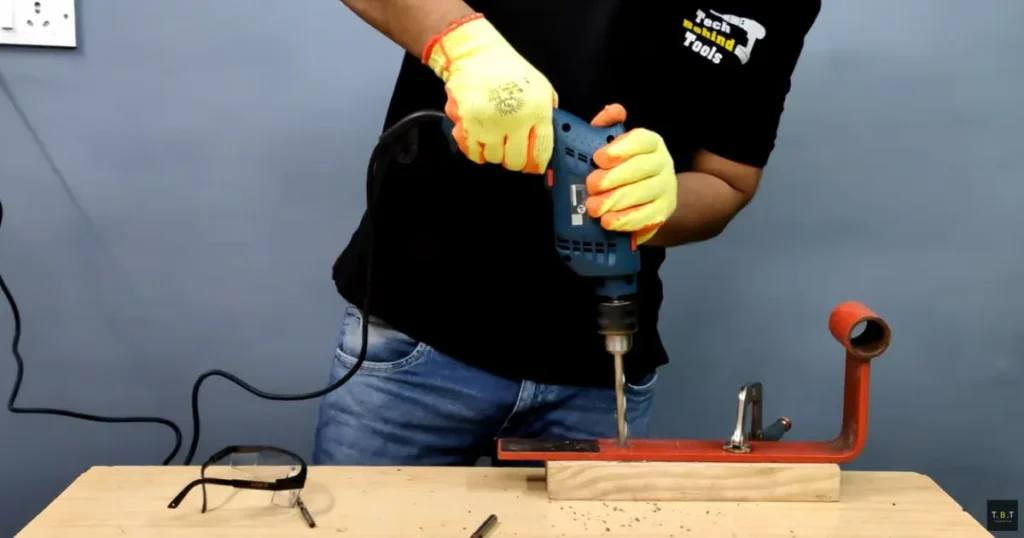
Metal drilling is one of the most useful workshop skills you can learn. Whether you’re building brackets, fabricating metal projects, repairing machinery, installing hardware, or working on DIY workshop projects, knowing how to drill clean and accurate holes is essential.
Unfortunately, many beginners struggle with metal drilling. The drill bit overheats, drilling becomes painfully slow, and expensive drill bits become dull after only a few holes.
The good news is that drilling metal is not about brute force. It’s about using the correct drill bit, proper drill speed, adequate lubrication, and the right drilling technique.
In this guide, we’ll show you exactly how to drill sheet metal, thick steel plates, and common workshop metals while extending drill bit life and producing cleaner holes.
Quick Answer
To drill metal effectively, use a sharp HSS drill bit, apply cutting oil, drill at a slower speed, use firm and consistent pressure, and create a center punch mark before drilling. For larger holes, start with a smaller pilot hole and increase the size gradually.
Project Snapshot
| Factor | Details |
|---|---|
| Difficulty | Easy to Medium |
| Time Required | 2–10 Minutes |
| Skill Level | Beginner |
| Recommended Bit | HSS Drill Bit |
| Lubrication Required | Yes |
| Risk Level | Medium |
Tools & Materials You’ll Need
Before starting, gather the proper tools and safety equipment.
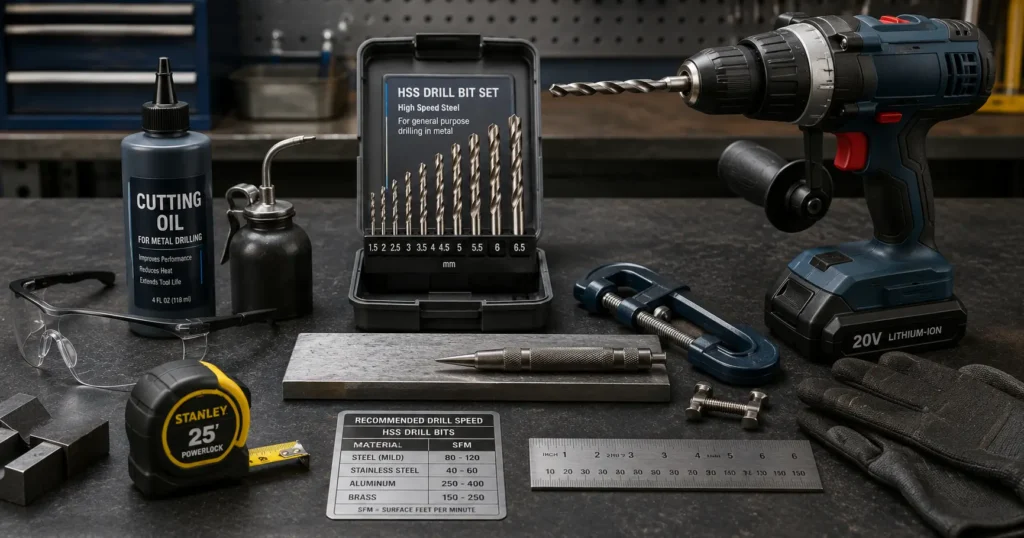
HSS Drill Bits
High-Speed Steel (HSS) drill bits are the standard choice for most metal drilling applications.
Best for:
- Mild Steel
- Aluminum
- Thin Sheet Metal
- General Workshop Use
Drill Machine
You can use:
- Corded Drill Machine
- Cordless Drill Machine
- Hammer Drill (Hammer Mode OFF)
Center Punch
A center punch creates a starting point that prevents the drill bit from wandering.
Cutting Oil
Recommended for:
- Steel
- Stainless Steel
- Thick Metal Sections
Lubrication reduces heat, improves drilling performance, and extends drill bit life.
Safety Equipment
Always wear:
- Safety Glasses
- Safety Gloves
- Hearing Protection (Optional)
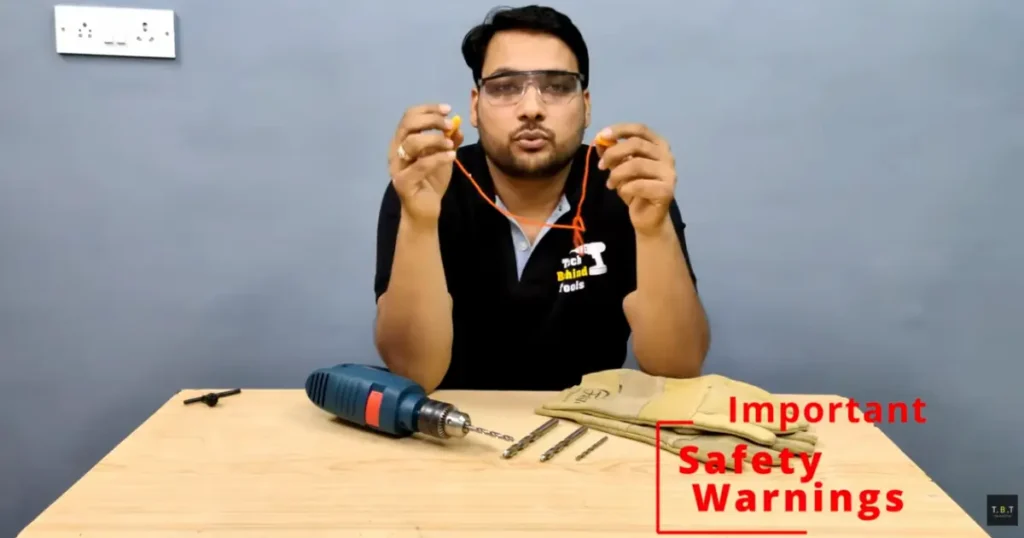
Watch The Full Process In Action
In our TechBehindTools video, we demonstrate:
✔ Drilling sheet metal
✔ Drilling an 8.5mm steel plate
✔ Proper drill speed selection
✔ Why lubrication matters
✔ Step drilling for larger holes
Before You Start
Many drilling problems occur before the drill bit even touches the metal.
Secure The Workpiece
Always secure the material whenever possible.
Loose metal can spin unexpectedly and cause serious injuries.
Use:
- Bench Vice
- Clamps
- Workbench Fixtures
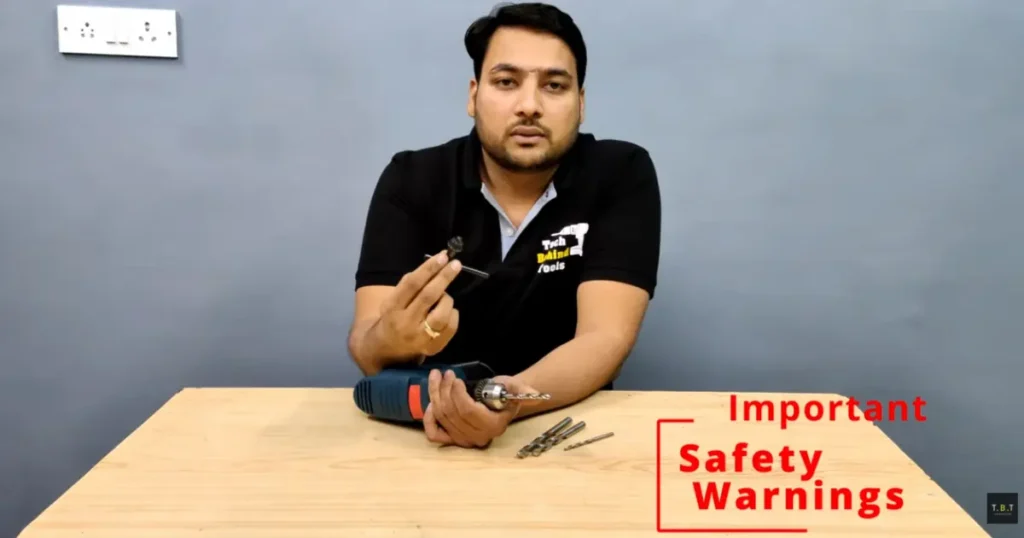
Install The Drill Bit Correctly
If your drill uses a keyed chuck, always tighten the chuck using the chuck key.
Never tighten the chuck by holding it and pulling the trigger.
Many users attempt this shortcut, but it can result in severe hand injuries.
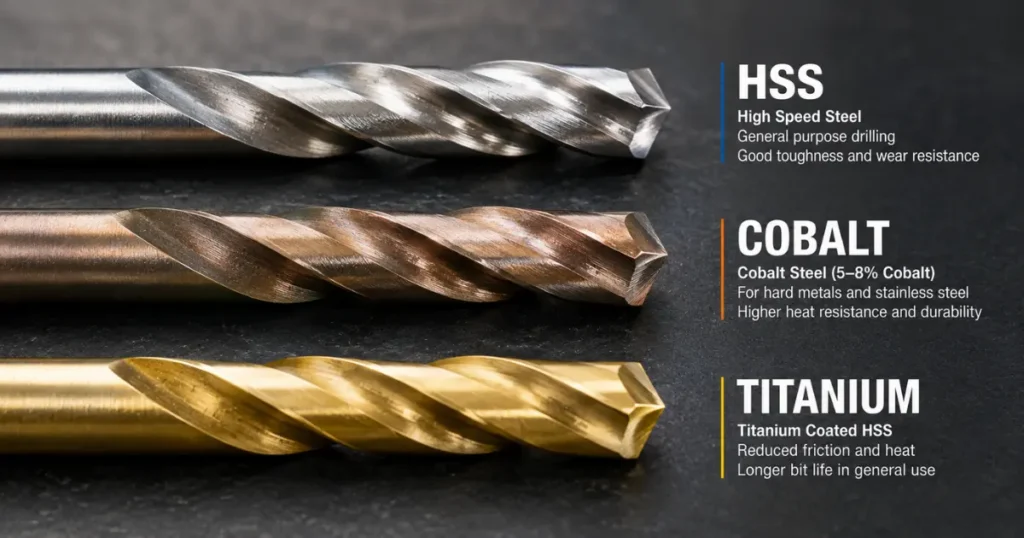
Workshop Insight: Choosing The Right Drill Bit
Not all drill bits are designed for metal.
Choosing the correct drill bit can dramatically improve performance and tool life.
HSS Drill Bits
Best for:
- Mild Steel
- Aluminum
- Sheet Metal
- General Fabrication
Cobalt Drill Bits
Best for:
- Stainless Steel
- Hardened Materials
- Professional Applications
Titanium-Coated Drill Bits
Suitable for occasional use but generally less durable than quality cobalt bits for heavy-duty drilling.
Step 1: Mark The Hole Location
Carefully measure and mark the drilling location.
Accurate marking saves time and improves final results.
For multiple holes, double-check all measurements before drilling.
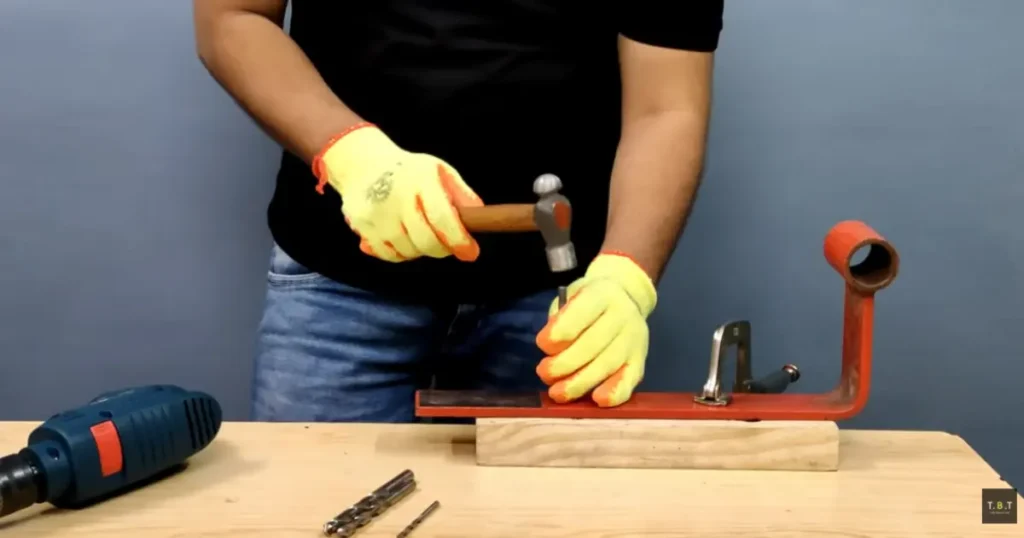
Step 2: Create A Center Punch Mark
This is one of the most important steps in metal drilling.
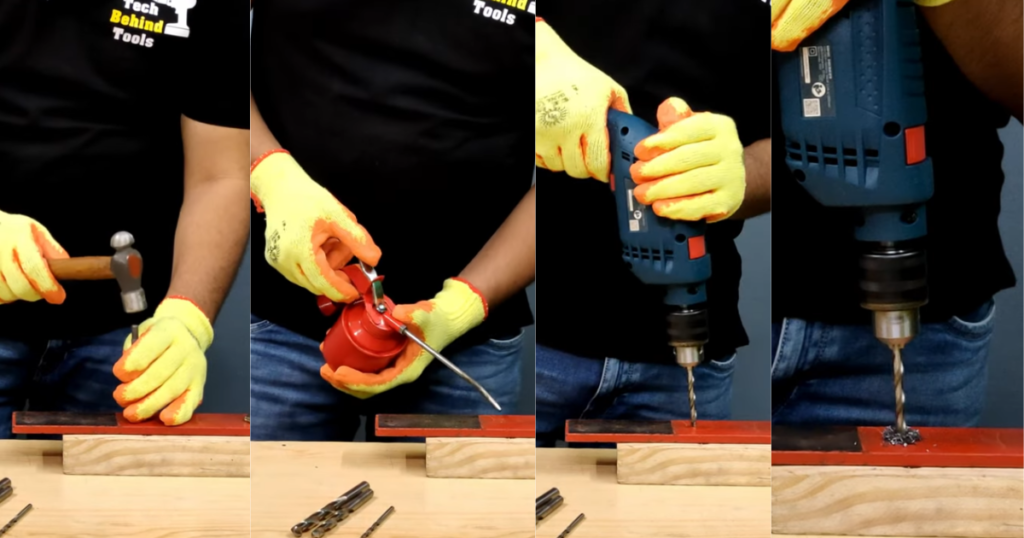
Use a center punch and hammer to create a small indentation.
The drill bit naturally centers itself inside this indentation, preventing wandering.
TBT Pro Tip
The larger the drill bit, the more important the center punch becomes.
Without a punch mark, larger drill bits can easily wander across the metal surface.
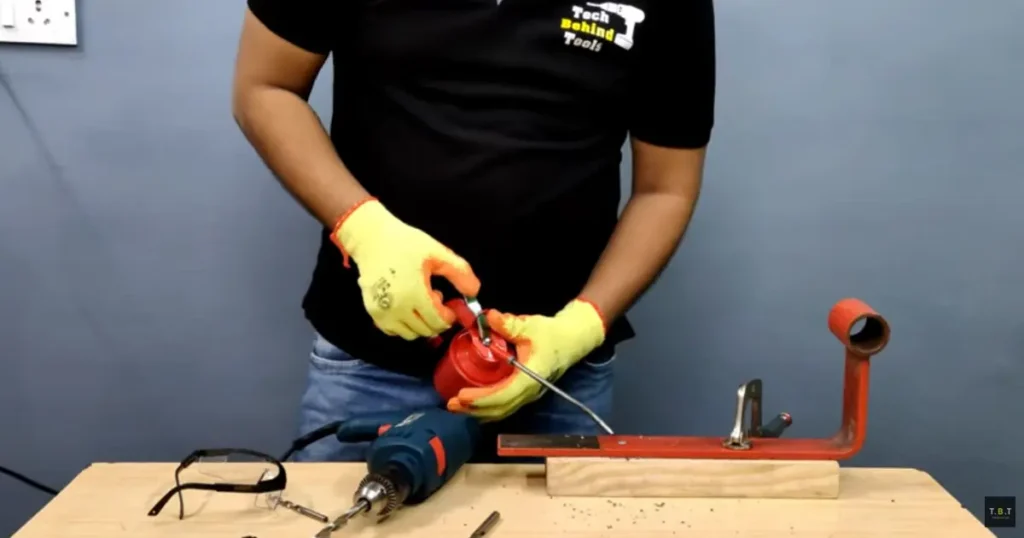
Step 3: Apply Lubrication
Before drilling, apply:
- Cutting Oil
- Tapping Fluid
- Metalworking Lubricant
WD-40 can work for light-duty drilling. However, dedicated cutting fluids generally provide better performance on thicker steel.
Step 4: Drill The Pilot Hole
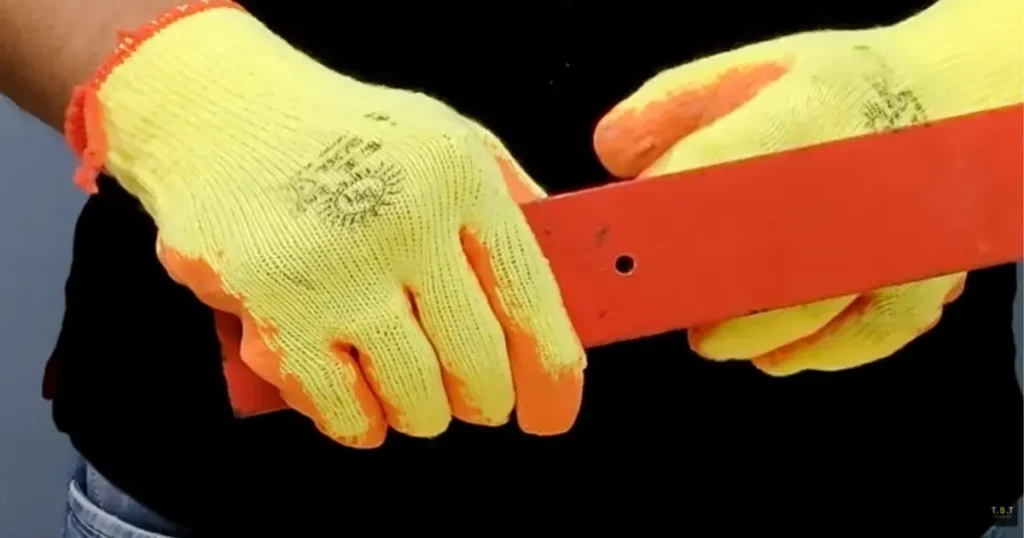
For holes up to approximately 5mm or 6mm, direct drilling is usually acceptable.
For larger holes, use a pilot hole. As a result, the load on larger drill bits is reduced significantly
Example
Required Hole Size: 12mm
Recommended Sequence:
- 6mm Pilot Hole
- 10mm Intermediate Hole
- 12mm Final Hole
This method reduces load on larger drill bits and significantly improves drill bit life.
Step 5: Use The Correct Speed
One of the biggest mistakes beginners make is drilling too fast.
General Rule
Small Drill Bits = Higher Speed
Large Drill Bits = Lower Speed
Thick Steel = Slow Speed
If you see smoke, excessive heat, or discoloration, reduce speed immediately.
Always allow the drill bit to cut rather than forcing it through the material.
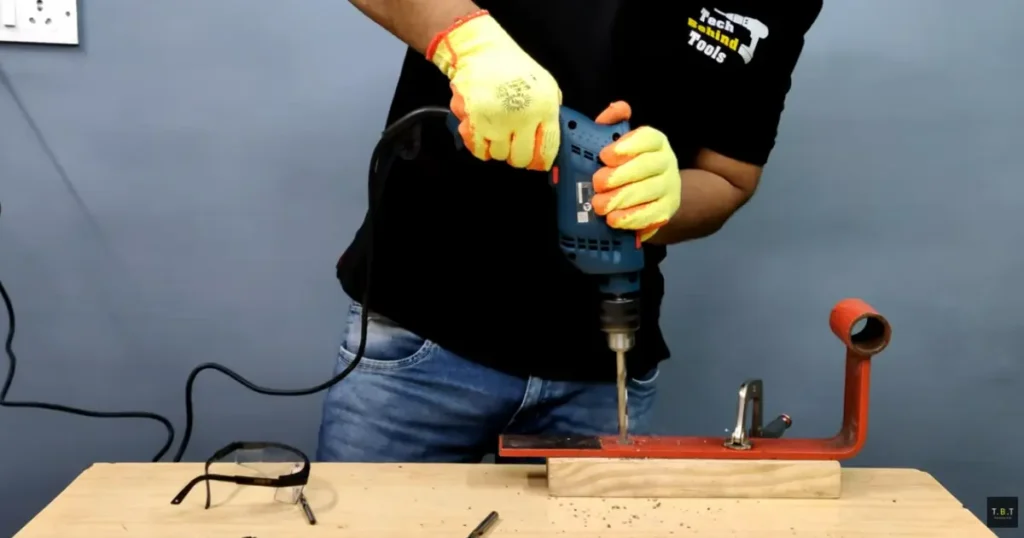
Step 6: Apply Firm, Consistent Pressure
Metal drilling requires steady pressure.
If too little pressure is applied, the drill bit may rub instead of cut.
On the other hand, excessive pressure can damage the bit.
Therefore, the goal is controlled pressure throughout the drilling process.
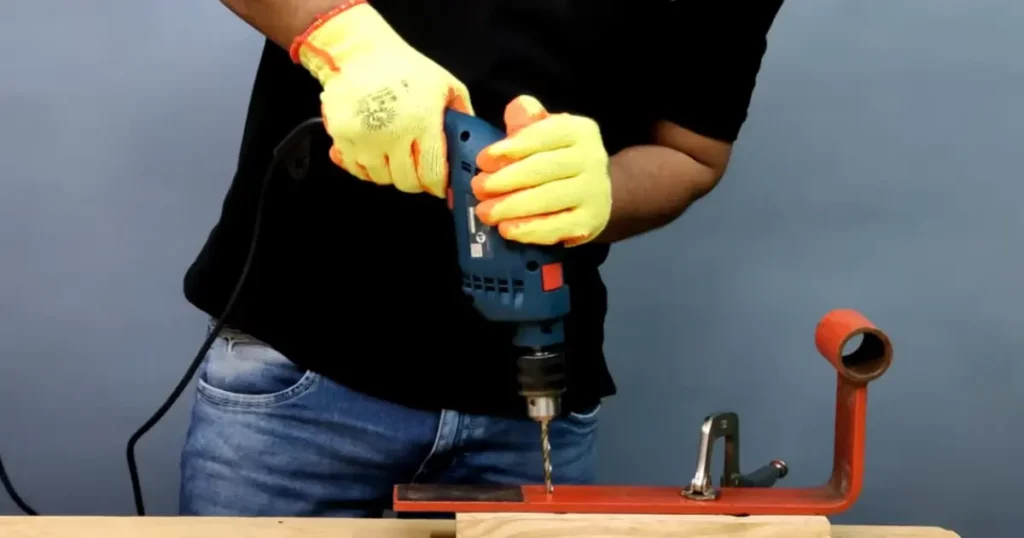
Real World Test: Thin Sheet Metal vs Thick Steel Plate
During testing, we drilled both sheet metal and an 8.5mm steel plate.
The thicker material required:
✔ Lower Speed
✔ More Lubrication
✔ Better Chip Evacuation
✔ More Consistent Pressure
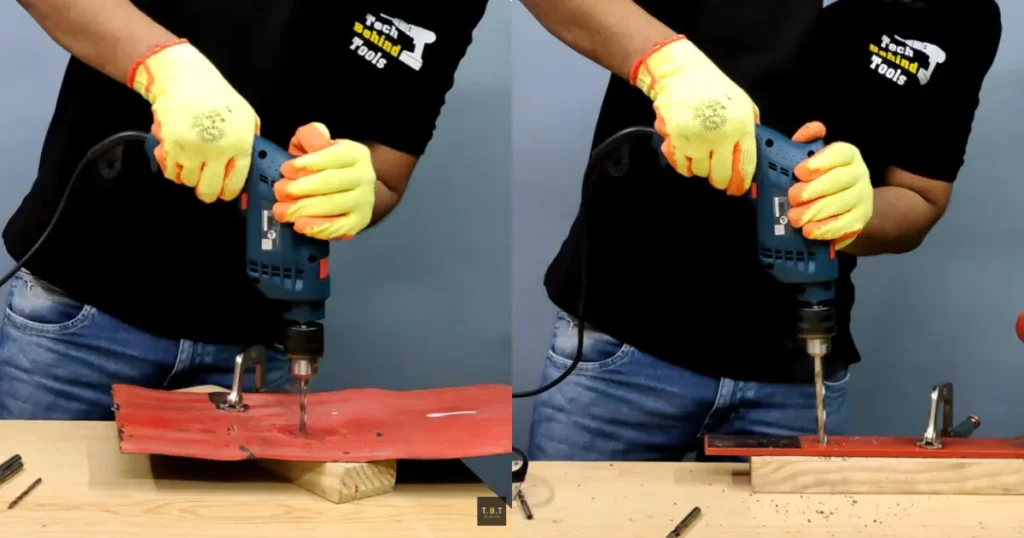
Understanding Metal Chips
One of the easiest ways to judge drilling performance is by looking at the chips. Long curled chips are usually a sign that the drill bit is cutting efficiently. In contrast, fine dust-like particles often indicate excessive speed, poor lubrication, insufficient pressure, or a dull drill bit.
TBT Workshop Insight
If you’re producing good chips, your drill bit is cutting.
If you’re producing dust, your drill bit is rubbing.
That simple observation can instantly improve your drilling results.
Step Drilling: The Secret To Large Holes
One of the most valuable metalworking techniques is step drilling.
Instead of drilling a large hole directly, increase the hole size gradually.
Example:
- Drill 6mm
- Drill 10mm
- Drill 12mm
Benefits:
✔ Faster Drilling
✔ Reduced Heat
✔ Longer Drill Bit Life
✔ Better Hole Quality
✔ Less Load On The Drill Motor
Common Metal Drilling Mistakes
Drilling Too Fast
Creates excessive heat and shortens drill bit life.
No Lubrication
Reduces cutting efficiency and increases wear.
Skipping The Center Punch
Causes poor hole placement.
Using Excessive Force
Can damage both the drill and workpiece.
Using Dull Drill Bits
Produces excessive heat and poor-quality holes.
Products We Recommend
- Best HSS Drill Bit Set
- Best Center Punch
- Best Corded Drill Machine
- Best Cordless Drill Machine
Frequently Asked Questions
Can I drill metal without oil?
Yes, but lubrication generally improves performance, hole quality, and drill bit life.
Why is my drill bit turning blue?
Blue discoloration indicates overheating.
Reduce speed and improve lubrication.
Can I use a hammer drill on metal?
Yes, but hammer mode must remain OFF.
Why are my metal chips turning into dust?
This usually indicates excessive speed, poor lubrication, insufficient pressure, or a dull drill bit.
Related Guides
- How To Change Drill Bits
- How To Drill Ceramic Tiles
- How To Drill Glass
- Best HSS Drill Bit Sets
- Cobalt vs HSS Drill Bits
- Corded vs Cordless Drill
Final Verdict
Metal drilling is less about force and more about technique.
First, use a sharp drill bit, Before drilling, create a center punch mark. Next, apply lubrication to reduce heat. Finally, drill at the correct speed for the material.
Follow these principles and you’ll achieve cleaner holes, longer drill bit life, and better overall results.
If you’d like to see these techniques demonstrated in real-world conditions, watch the full tutorial on the TechBehindTools YouTube channel and explore our growing collection of workshop guides, product comparisons, and practical tool advice.
Enjoyed this guide?
Share it with a friend, save it for future projects, and explore more workshop tutorials on TechBehindTools.
Watch Our Tool Reviews & Comparisons
Looking for hands-on demonstrations, unboxing videos, tool comparisons, and practical workshop tips? Visit the TechBehindTools YouTube channel for real-world insights, product reviews, and buying advice to help you choose the right tools for your projects.
Affiliate Disclosure
As an Amazon Associate, TechBehindTools may earn from qualifying purchases made through links on this page. This helps support our content and allows us to continue creating tool reviews, comparisons, and buying guides.